Finding these resources useful?
Browse a small set of books and study gear that fits your learning flow. Useful recommendations, not noise.
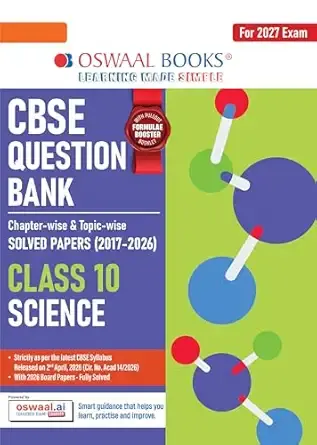
Oswaal CBSE Class 10 Science Question Bank | Chapter & Topic-wise Solved Papers (2017–2026)
Based on Latest Syllabus | Includes 2026 Papers | For 2027 Exam
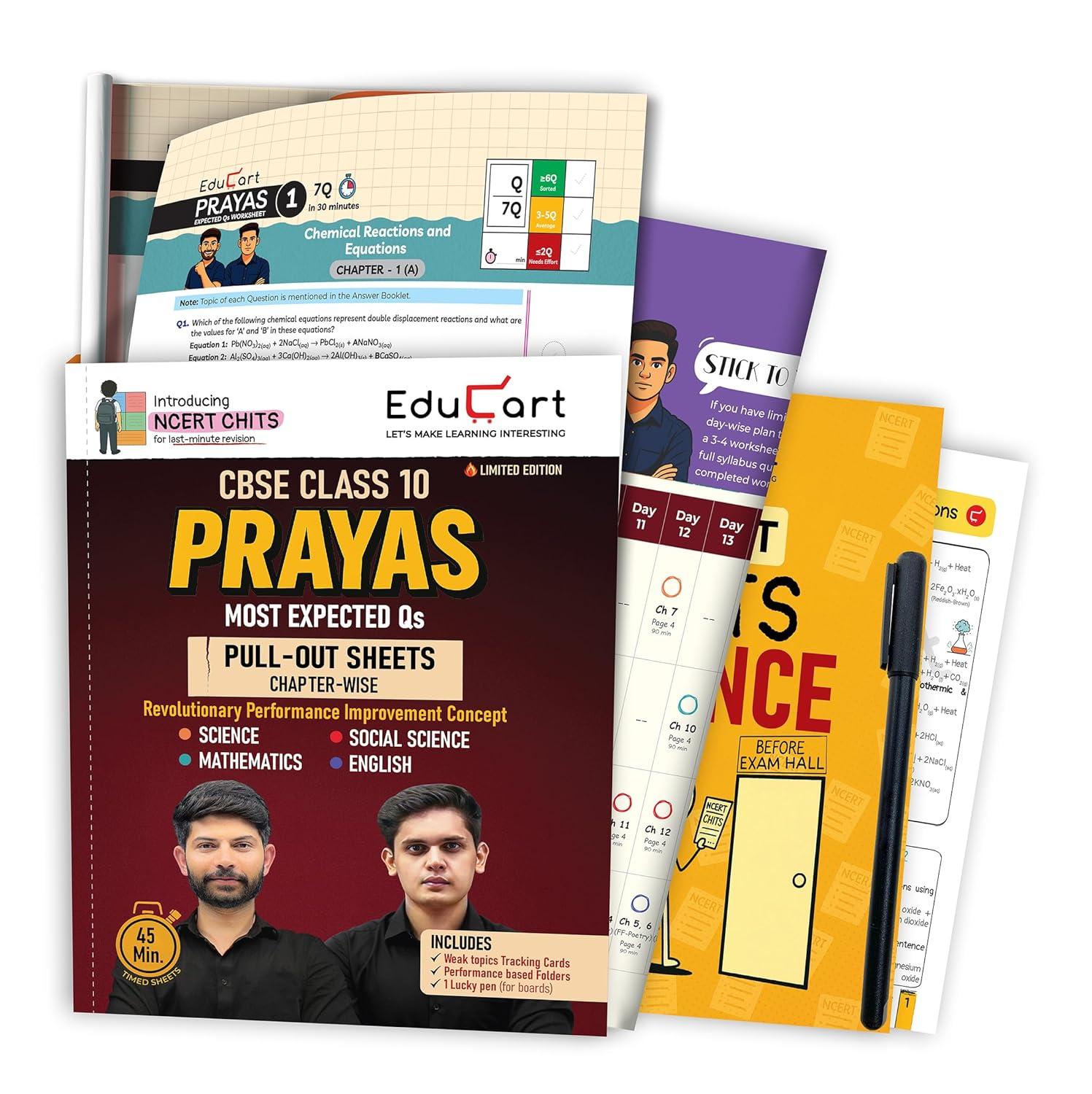
Educart PRAYAS CBSE Class 10 Chapterwise Most Important Questions & PYQs
Chapter-wise Daily Practice Sheets + NCERT Chits for Quick Revision | Maths, Science, Social Science & English | Strictly for 2026-27 Board Exams
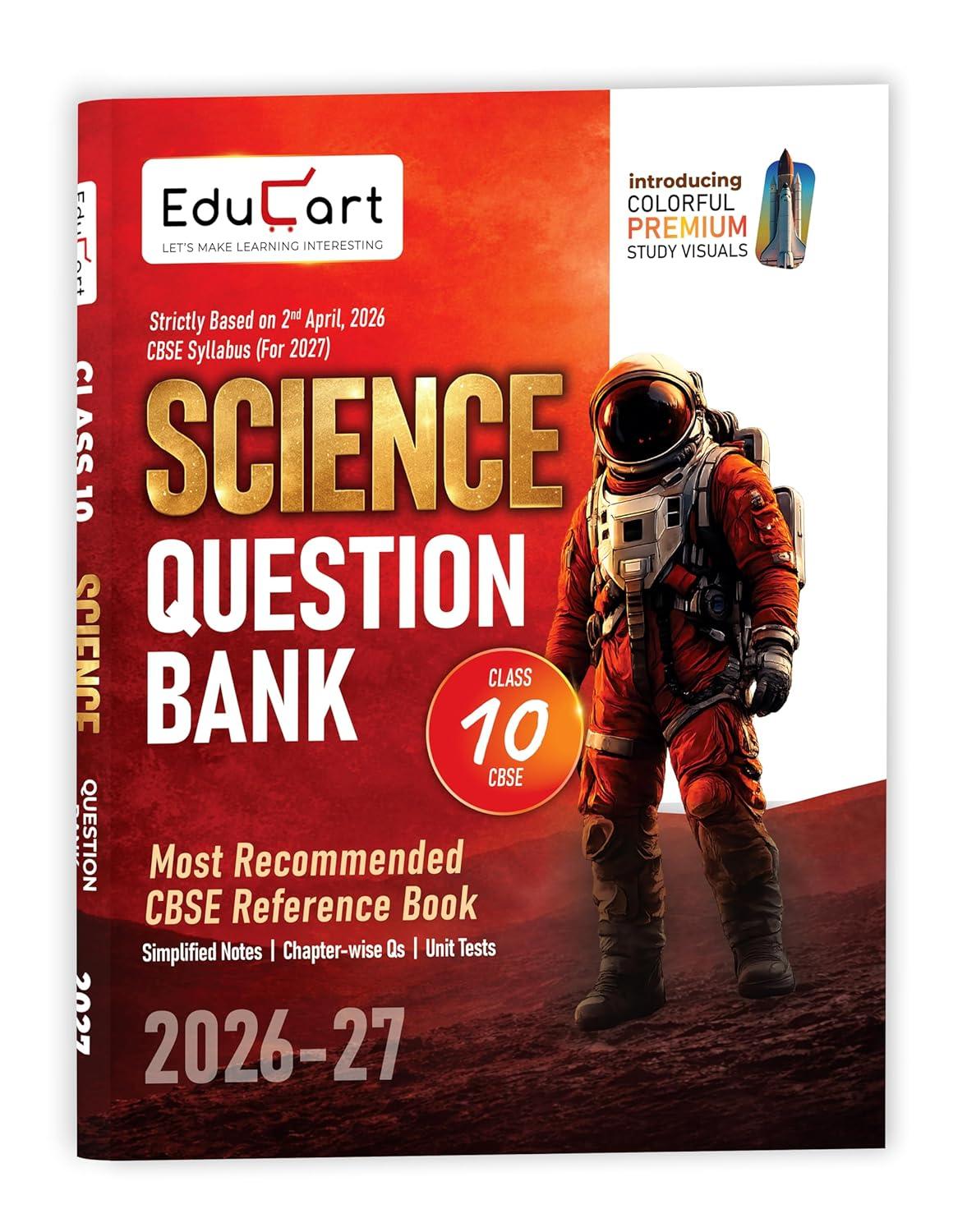
Educart CBSE Class 10 Science Question Bank 2026-27
Based on Latest 2027 Board Syllabus | Chapter-wise, Competency-Based & Case-Based Questions | Toppers Notes | Includes Premium Color Study Visuals
Some links are affiliate links. They help keep CBSE Mastery free at no extra cost to you.
Browse the StoreTake the chapter quiz
This quiz lives alongside Chemical Reactions And Equations, so the practice stays aligned with what you just studied.
Oxidation Reduction And Redox Reaction
Test yourself with a quick check that belongs to the same topic. Instant feedback and explanations are built right in.
More quizzes in this chapter
Turn this into revision notes
Paste a YouTube lecture link or your notes into Sunya Pad — get structured study material, exam prep, memory tricks, and question papers in 30 seconds.
Sunya Pad – Solo
One-time $6.99. No subscription. Works with any CBSE subject — generates notes, exam prep, deep dives, and full question papers from any source.